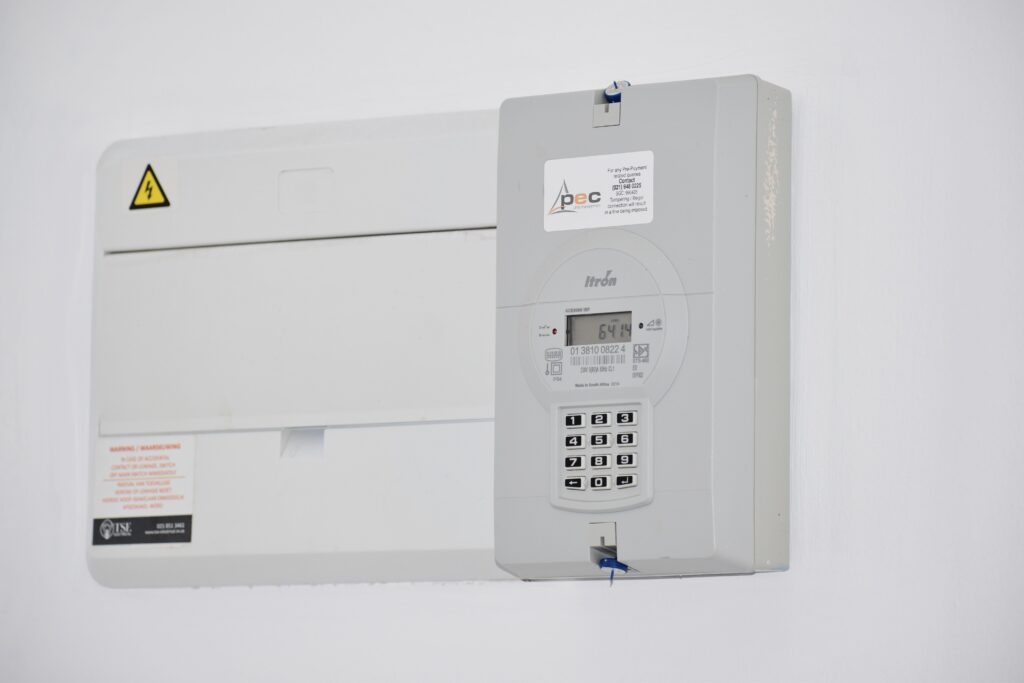
How Zero-Export Solar Works: Meters, Inverter Settings and Approvals
Zero-export solar is a solar system set up so that none of the power it makes ever flows back to […]
Zero-export solar is a solar system set up so that none of the power it makes ever flows back to […]
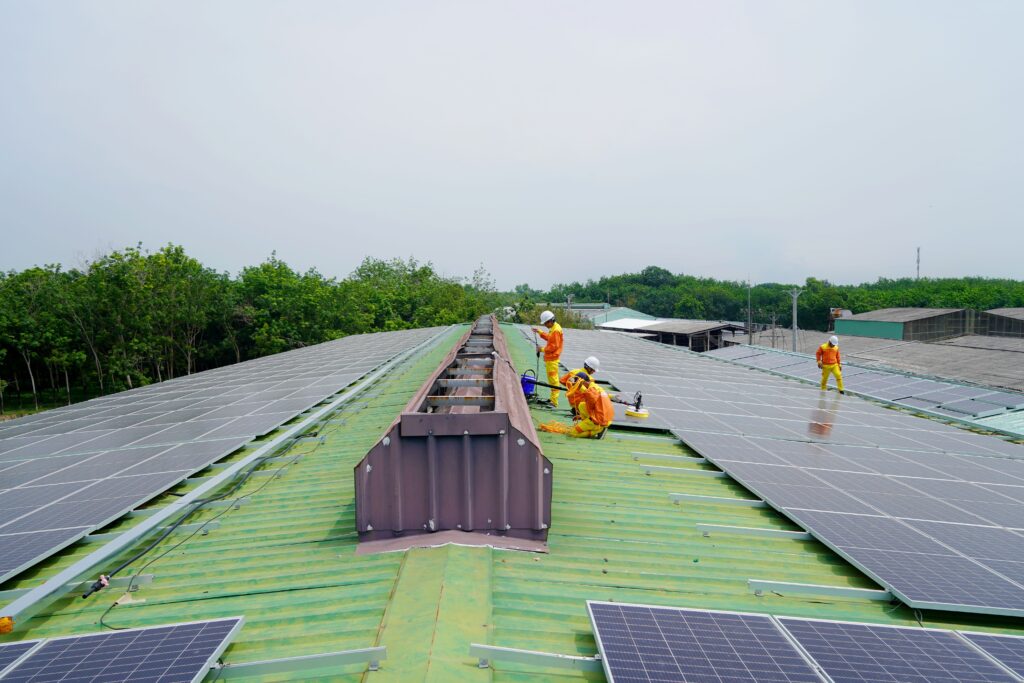
Most solar guides assume an asphalt shingle roof and stop there. In real life, plenty of homes have a standing […]
Time-sensitive. Last verified: 15 October 2026. The federal rules for solar are still moving, and every lease or PPA contract […]
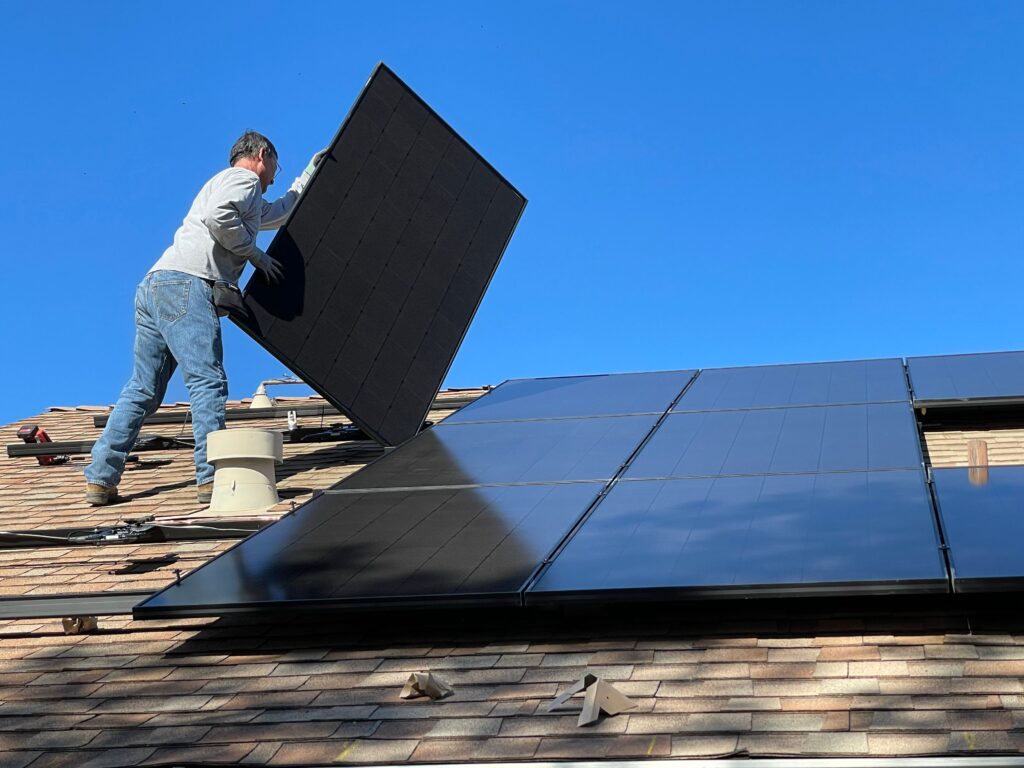
In short: Solar inverters come in three main designs: a single string inverter (cheapest, simple), a string inverter with power […]
In short: In 2026, most UK homeowners pay roughly £3,500–£8,500 for a fully installed home battery, which works out at […]

In short: In most US states, adding solar panels does not raise your property tax bill, because the value they […]
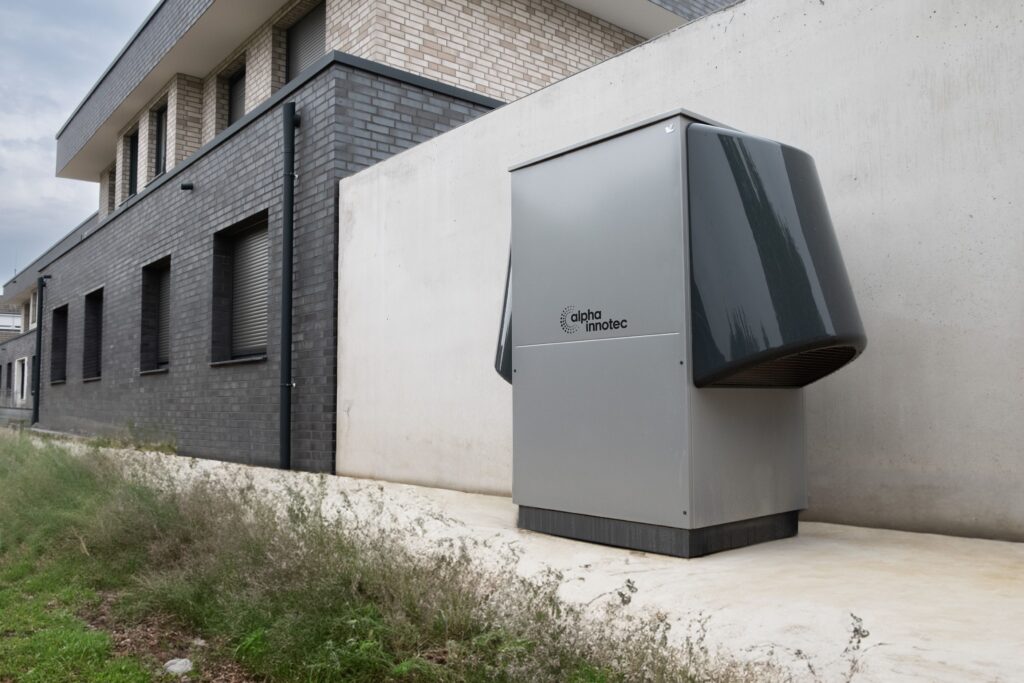
In short: A non-export (or “zero-export”) solar system is set up so it never sends power to the grid. In […]
In short: Under NEM 2.0, solar exports are credited close to the retail electricity price. Under NEM 3.0 (officially the […]
In short: In general, no. According to the California Public Utilities Commission (CPUC), customers on NEM 1.0 or NEM 2.0 […]
In short: A standard grid-tied solar system shuts down during a blackout, even in full sun, as a safety measure. […]